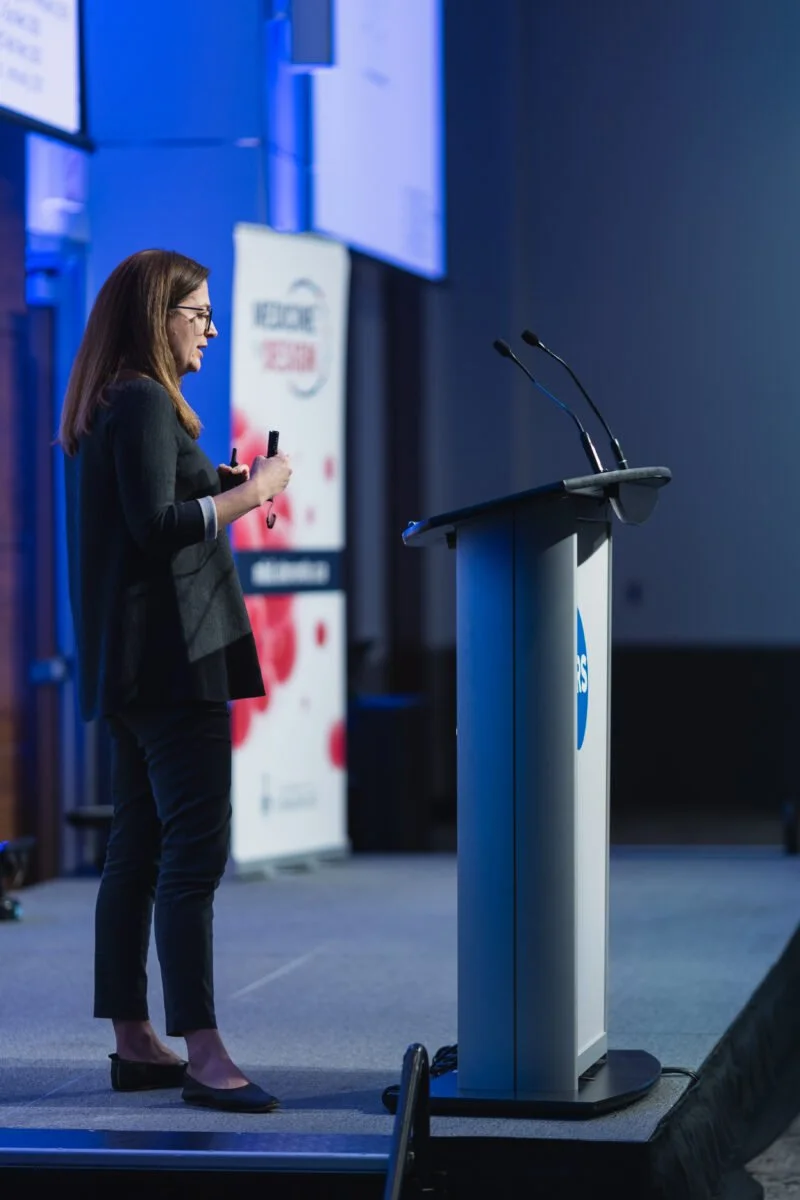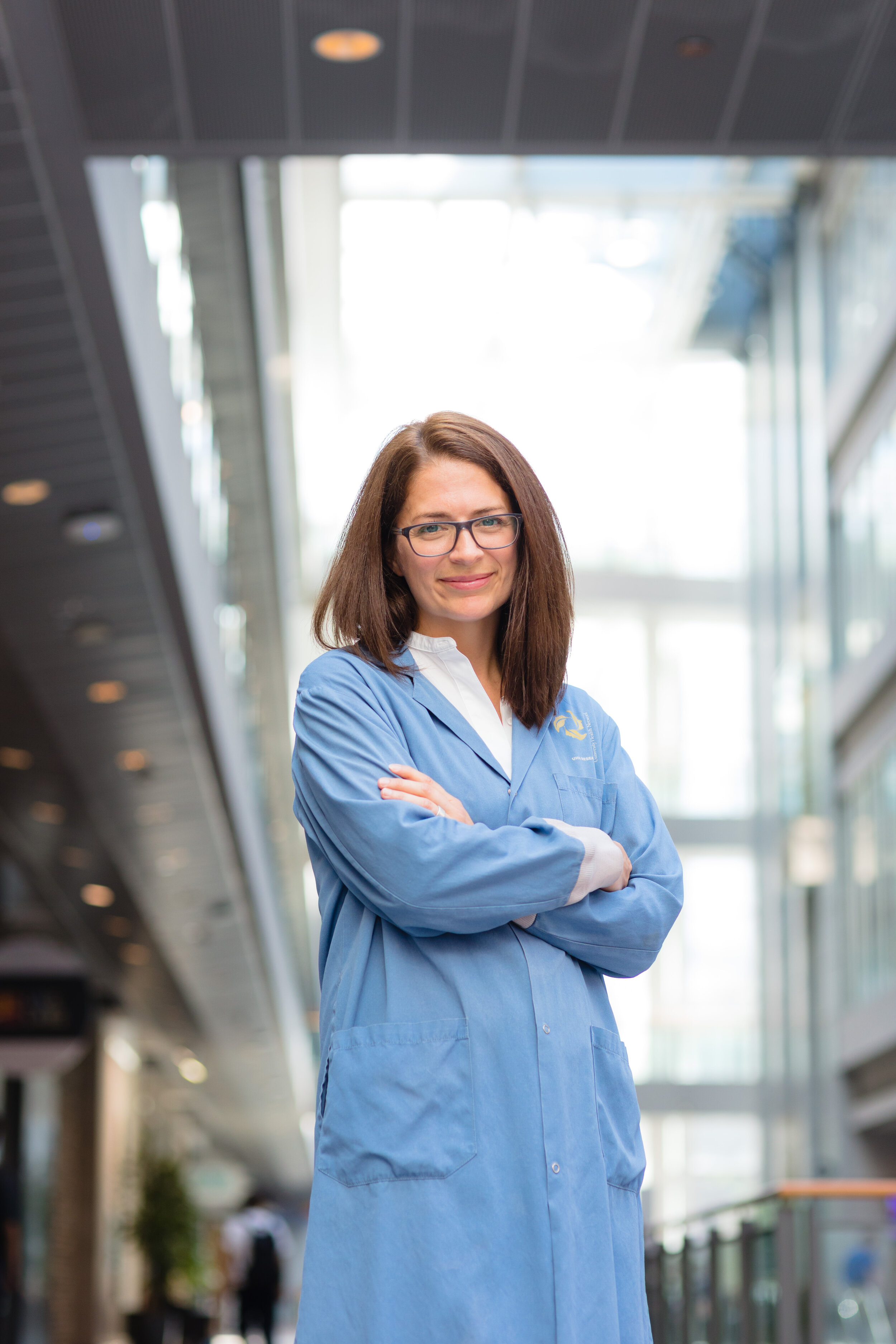
Sarah Crome, PhD
Senior Scientist | Terry Fox Laboratories | Basic and Translational Research | BC Cancer Associate Professor | University of Toronto | Faculty of Medicine | Department of Immunology Senior Scientist | University Health Network | Toronto General Hospital Research Institute | Tier 2 Canada Research Chair in Tissue-Specific Immune Tolerance

Dr. Crome joined BC Cancer in 2025 after serving as a Senior Scientist at the University Health Network and Associate Professor at the University of Toronto, where she held a Tier 2 Canada Research Chair in Tissue-Specific Immune Tolerance. There, Dr. Crome led single-cell profiling efforts defining tissue-resident immune programs in the human kidney, transplantation, and inflammatory disease, including the first comprehensive single-cell atlas of healthy human kidney. Most recently, her integrated discovery framework has enabled the development of regulatory ILC2-based cell therapy platforms for graft-versus-host disease and islet transplantation, and the expansion of immune-engineering strategies to direct innate lymphocyte function and trafficking in vivo.
During her PhD with Dr. Megan Levings at the University of British Columbia, Dr. Crome defined the transcriptional, epigenetic, and functional programs governing human Th17 cells. During her postdoctoral training with Dr. Pamela Ohashi at Princess Margaret Cancer Centre, she discovered a previously unrecognized regulatory NK cell-like ILC population in human ovarian cancer. This work, published in Nature Medicine, demonstrated that tumour-associated NK cells can acquire a regulatory phenotype that directly suppresses T cell function and predicts adverse clinical outcomes.
Her scientific contributions have been recognized with multiple national and international awards, including the Rising Star Award from the International Union of Immunological Societies, the Next Generation of Scientists Award from the Cancer Research Society, and the New Investigator Award from the Canadian Society for Immunology.
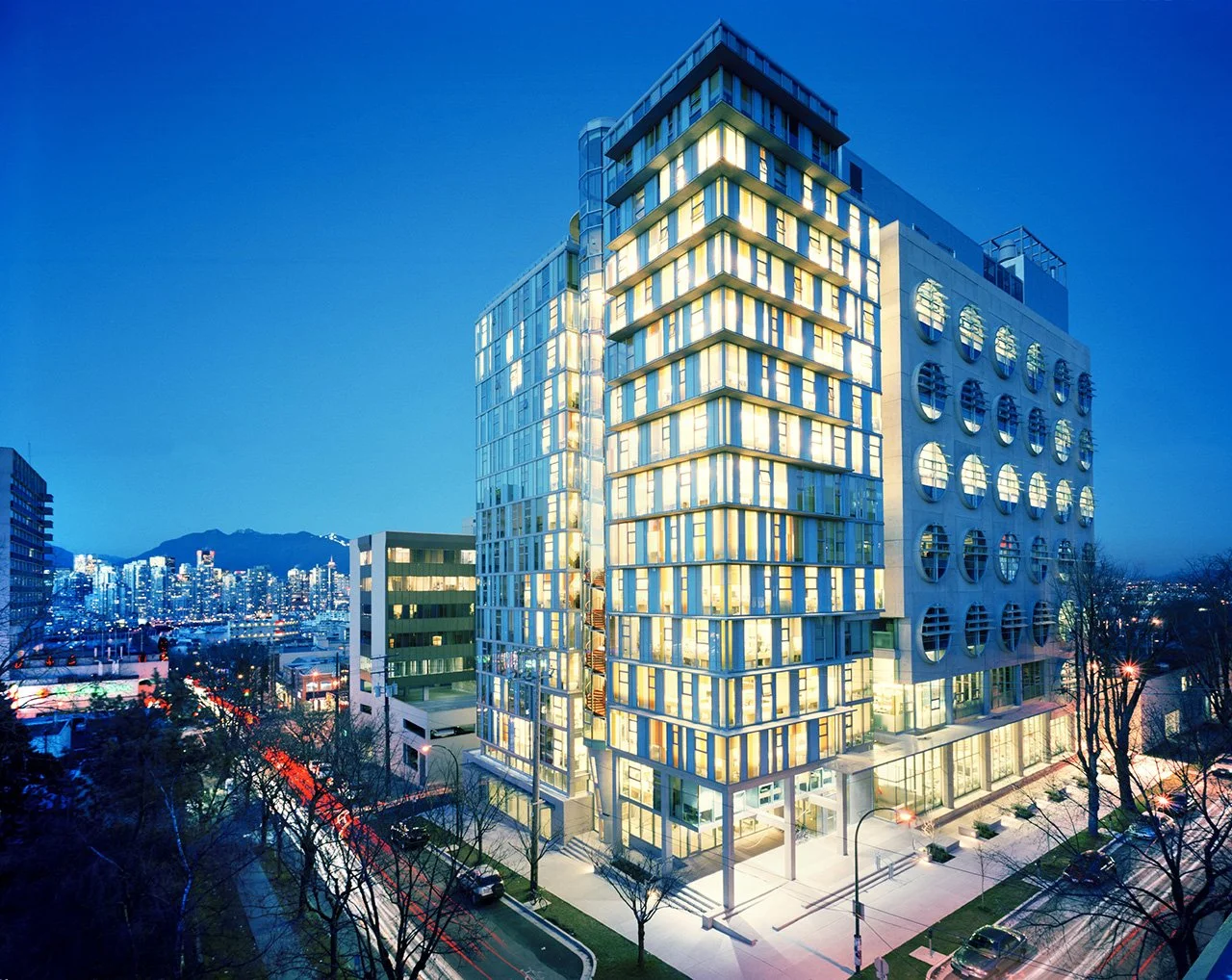
Contact: email: scrome@bccrc.ca bluesky: @sarahcrome.bsky.social phone: 604-675-8000 Ext. 7754 address:
BC Cancer Research Institute
675 West 10th Avenue
Vancouver, BC V5Z 1L3 | Canada
Websites with additional information: https://www.bccrc.ca/dept/tfl/labs/crome-lab https://www.immunology.utoronto.ca/faculty/sarah-crome https://www.uhnresearch.ca/researcher/sarah-q-crome
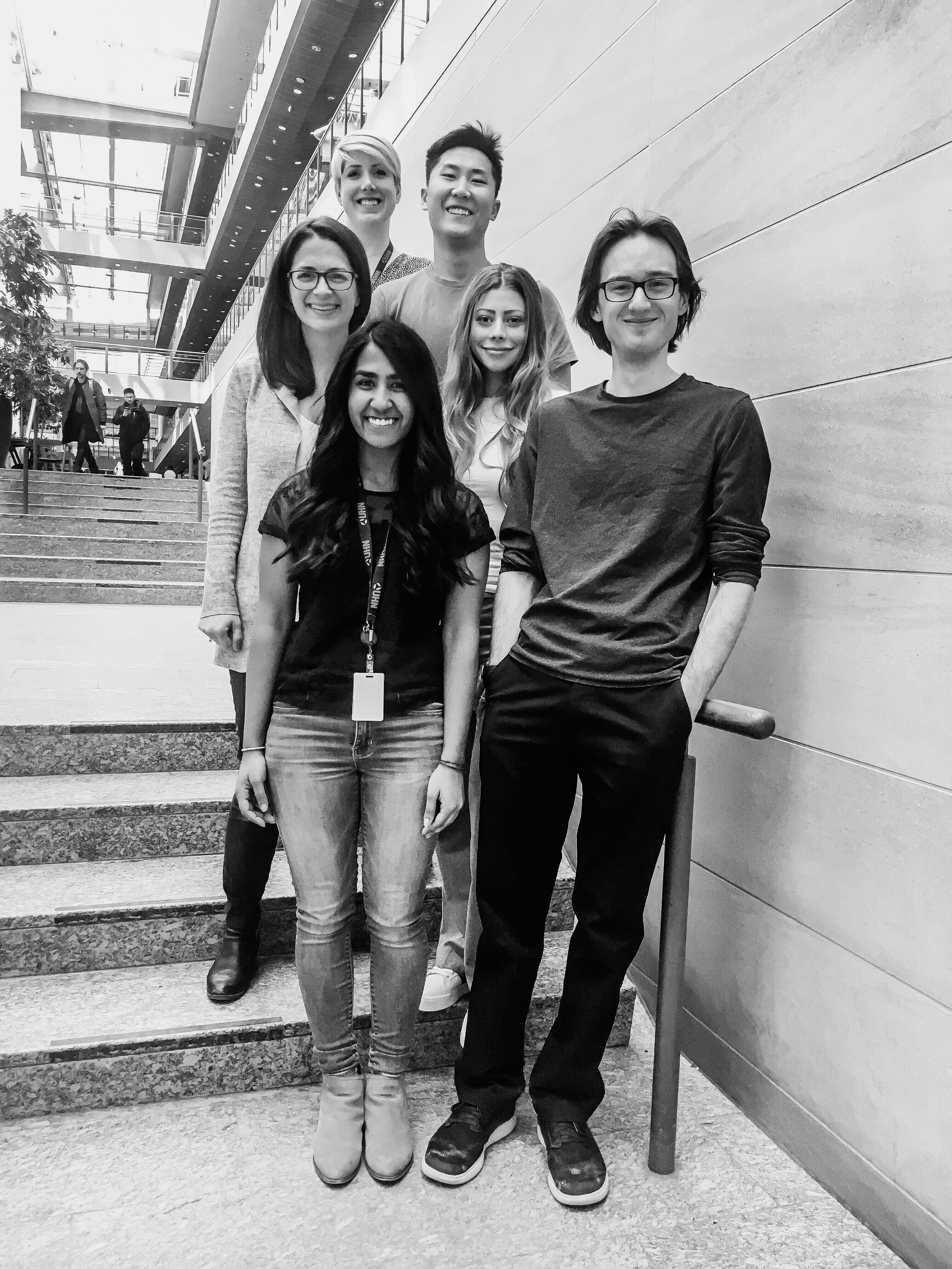
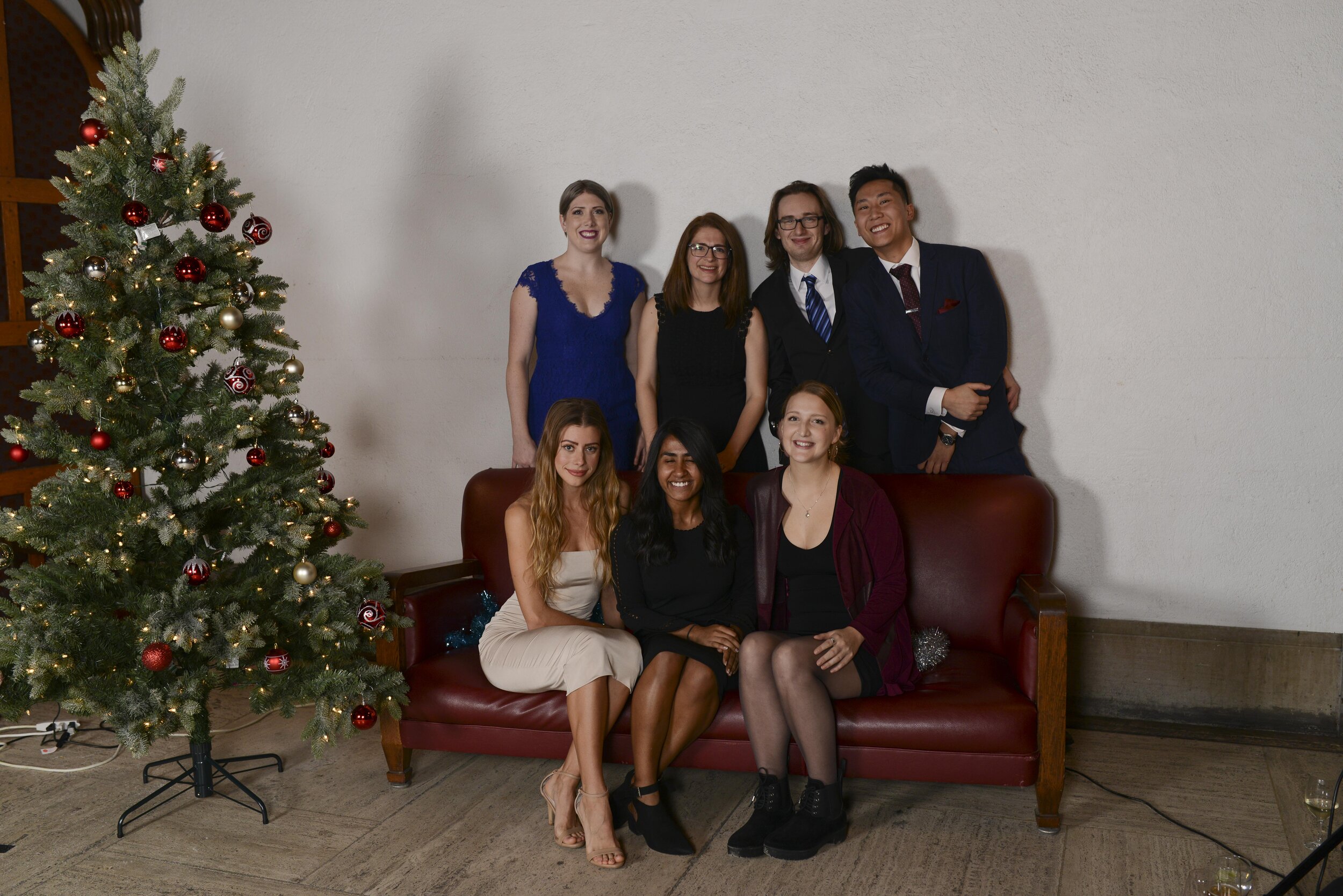
Current Lab Members:

Graduate Students Sebastian Grocott (PhD Student) Sinthuja Jegatheeswaran, MSc (PhD Student)
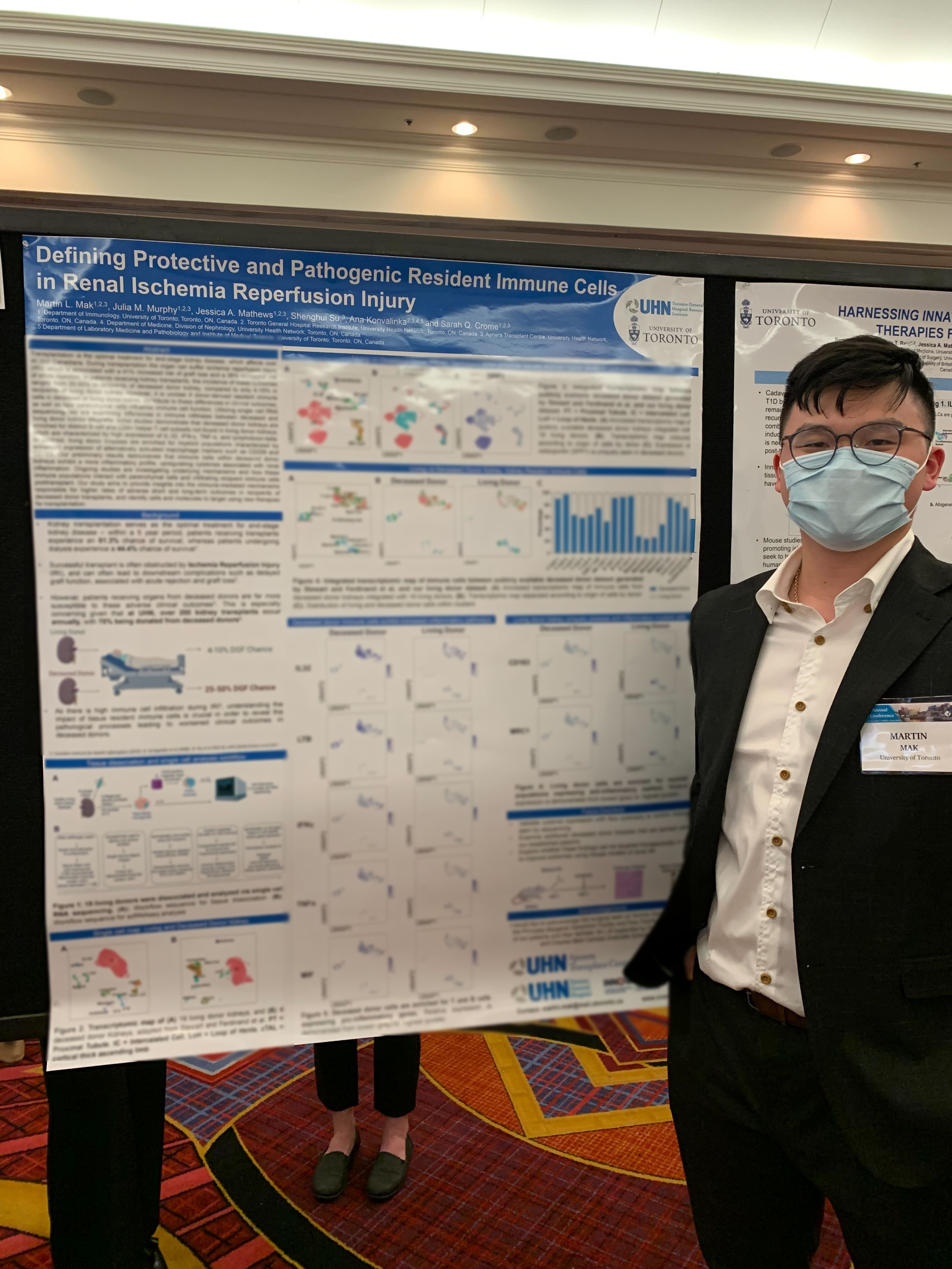
Martin Mak (PhD Student)
Sia Mashhouri (PhD Student) Kyle Reid (PhD Student)
Staff
Humaira Murshed
Nadia Sachewsky, PhD (Microsurgeon)

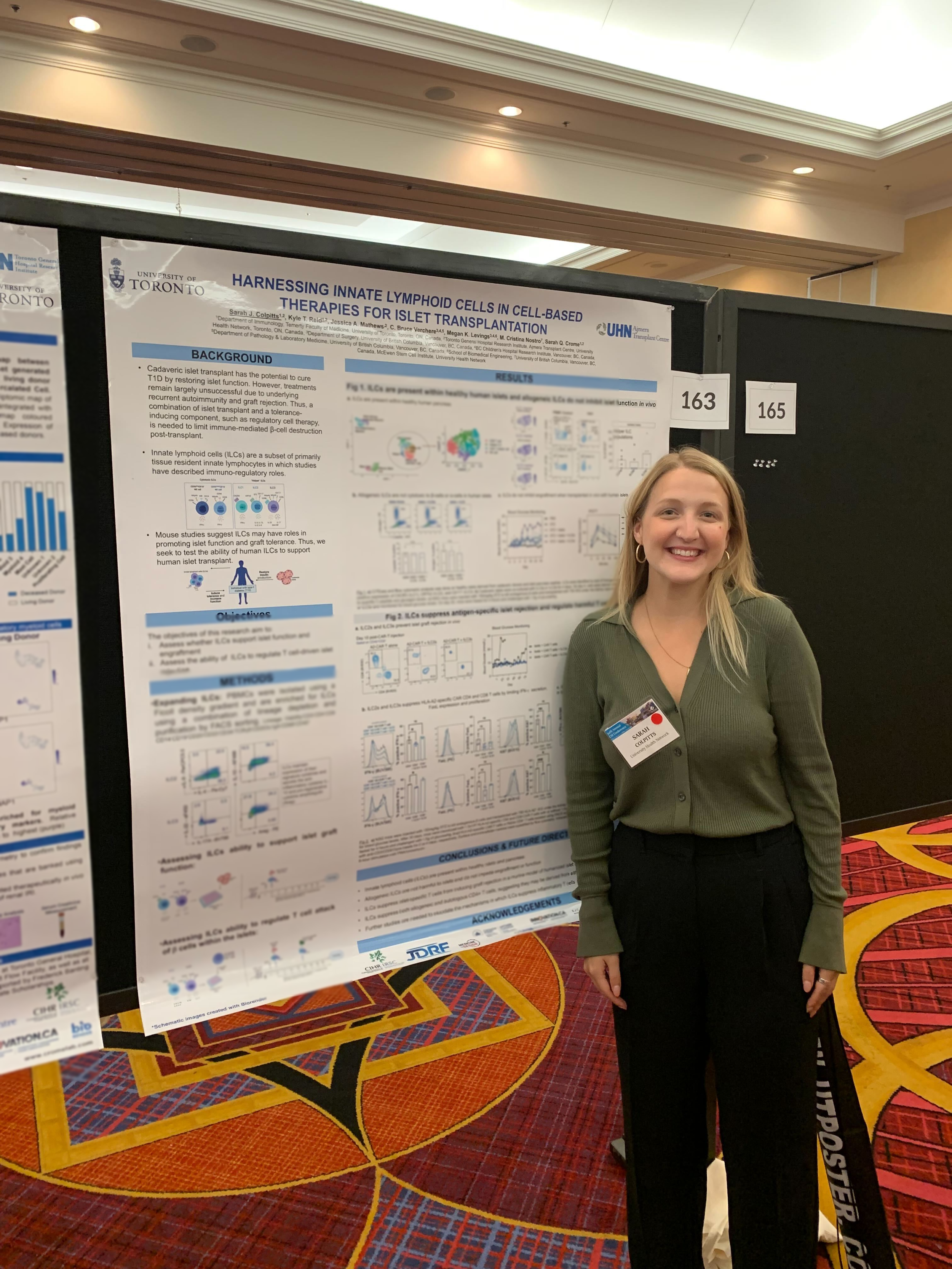
Sarah Colpitts
Sarah is characterizing the role of innate lymphoid cells in type 1 diabetes (T1D). T1D is an autoimmune disease in which inflammatory CD4+ T cells attack against pancreatic islet β-cells, which secrete insulin and facilitate the break-down of glucose. She is exploring how the tissue regenerative and regulatory properties of ILCs influence effectiveness of islet transplantation, and how ILCs are altered in T1D.
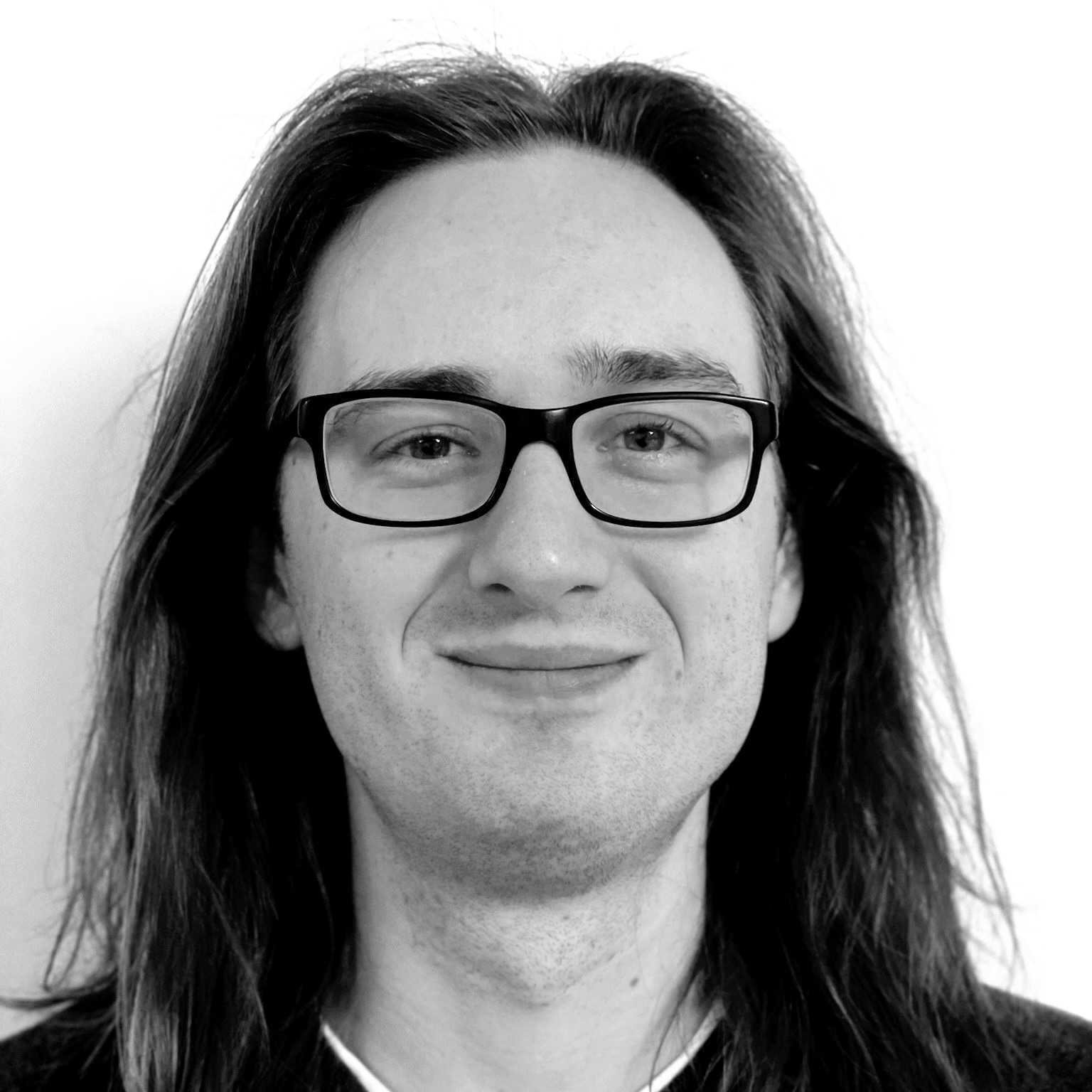
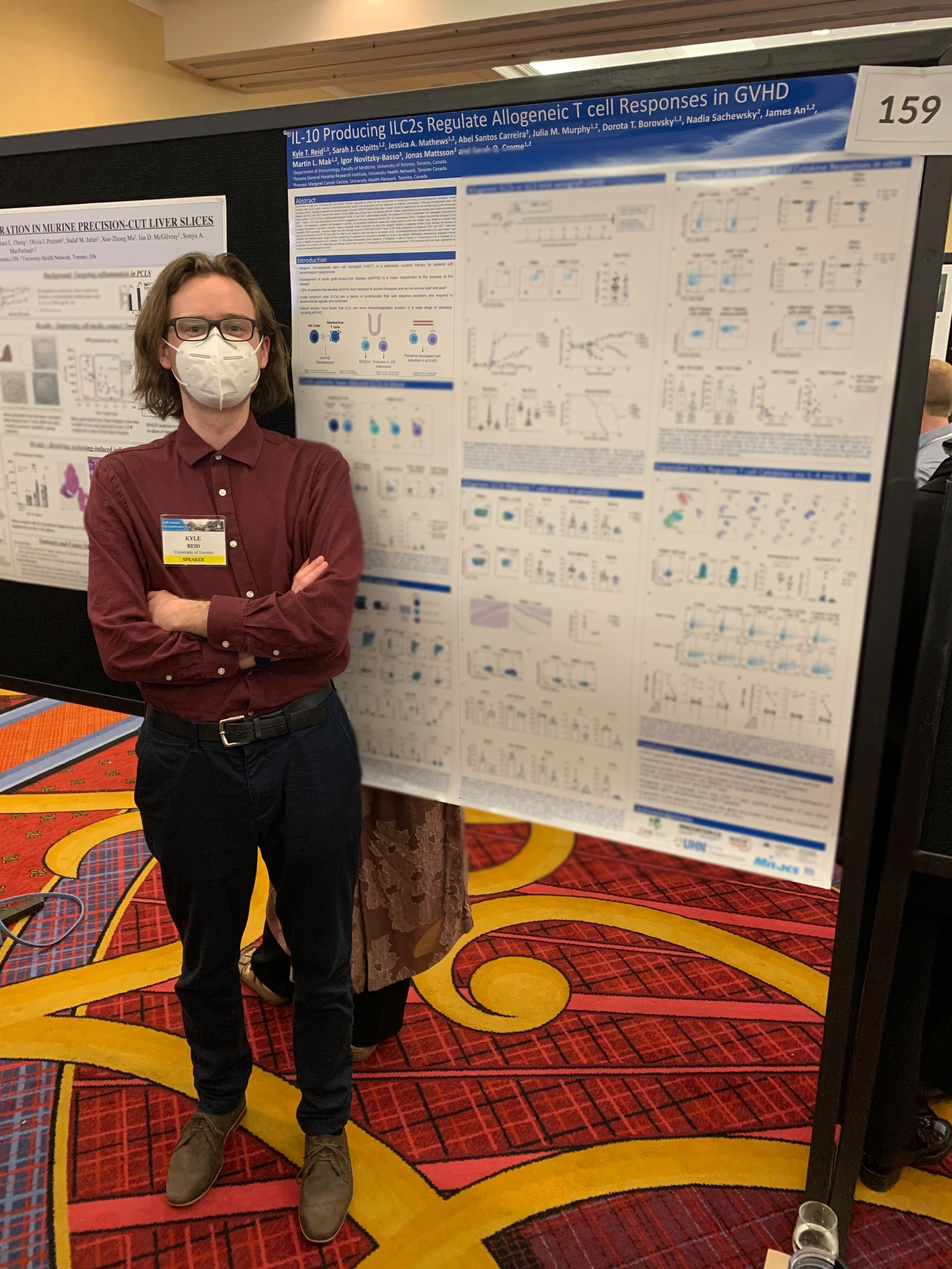
KYLE REID
Development of graft-versus-host disease (GVHD) is the primary factor limiting the success of hematopoietic stem cell transplant (HSCT) in treating hematological malignancies. Kyle is focused on determining if and how different ILC subsets contribute to protection from the development of GVHD. He is combining single cell RNA sequencing of patients undergoing HSCT, humanized mouse models of GVHD and advanced immunological platforms to understand ILC interactions that are protective in these contexts.
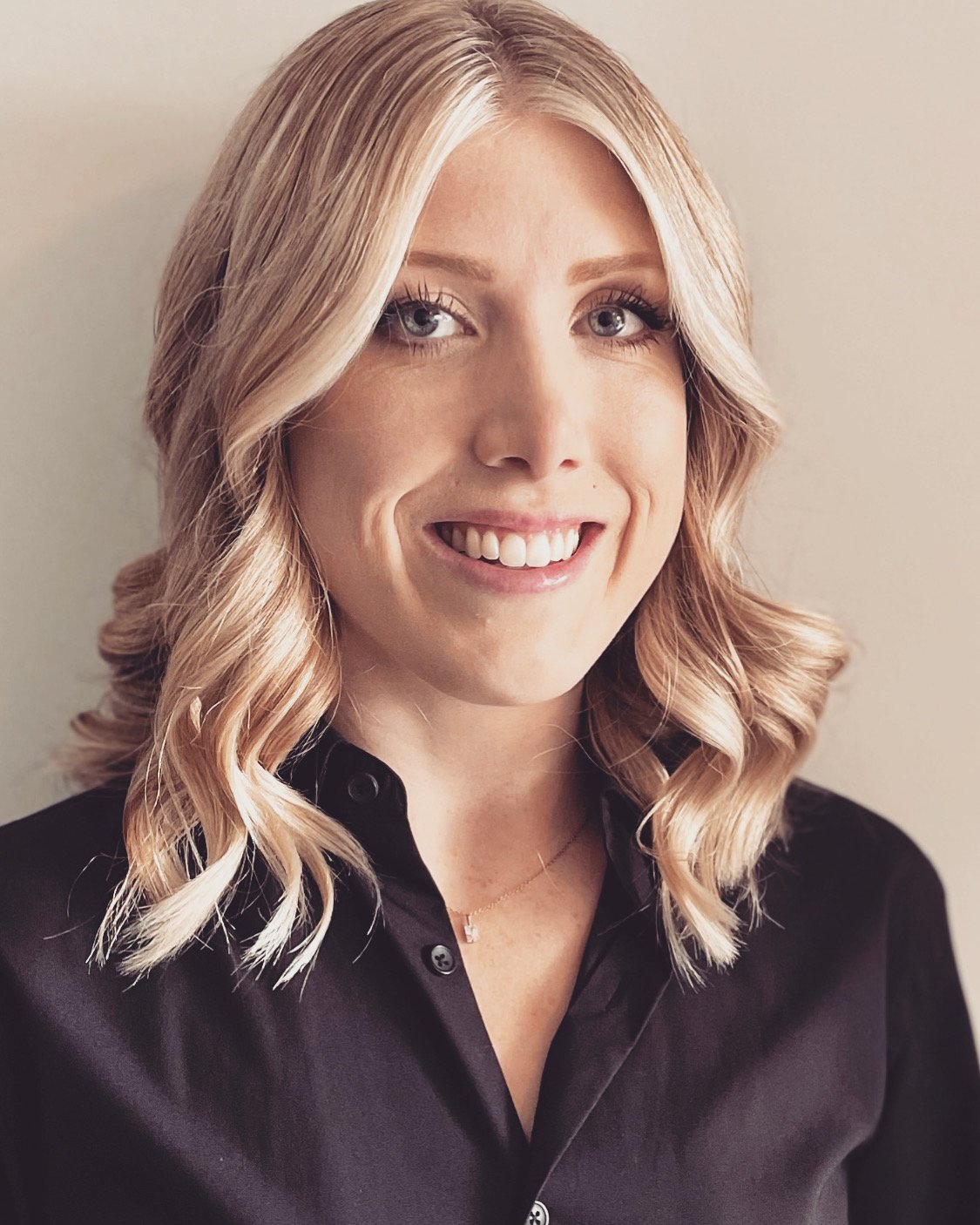
JULIA Murphy
Julia is investigating the role of human innate lymphoid cells (ILCs) and other tissue-resident immune cells in kidney transplantation. She harnesses multi-omic single-cell approaches and functional assays to identify and characterize ILCs in kidney from healthy living donors and transplant recipients to identify immune cells and pathways that impact clinical outcomes in kidney transplant recipients.

MARTIN MAK
Martin is focusing on the role of tissue resident immune cells in kidney transplantation, with the aim of determining what causes recipients of deceased kidney allografts to exhibit worse clinical outcomes than recipients of living kidney allografts. Martin makes use of multi-omic single cell techniques to focus on immune cell differences between living and deceased donor kidneys, which will be combined with our cell and tissue culture models to reveal host and donor immune differences.

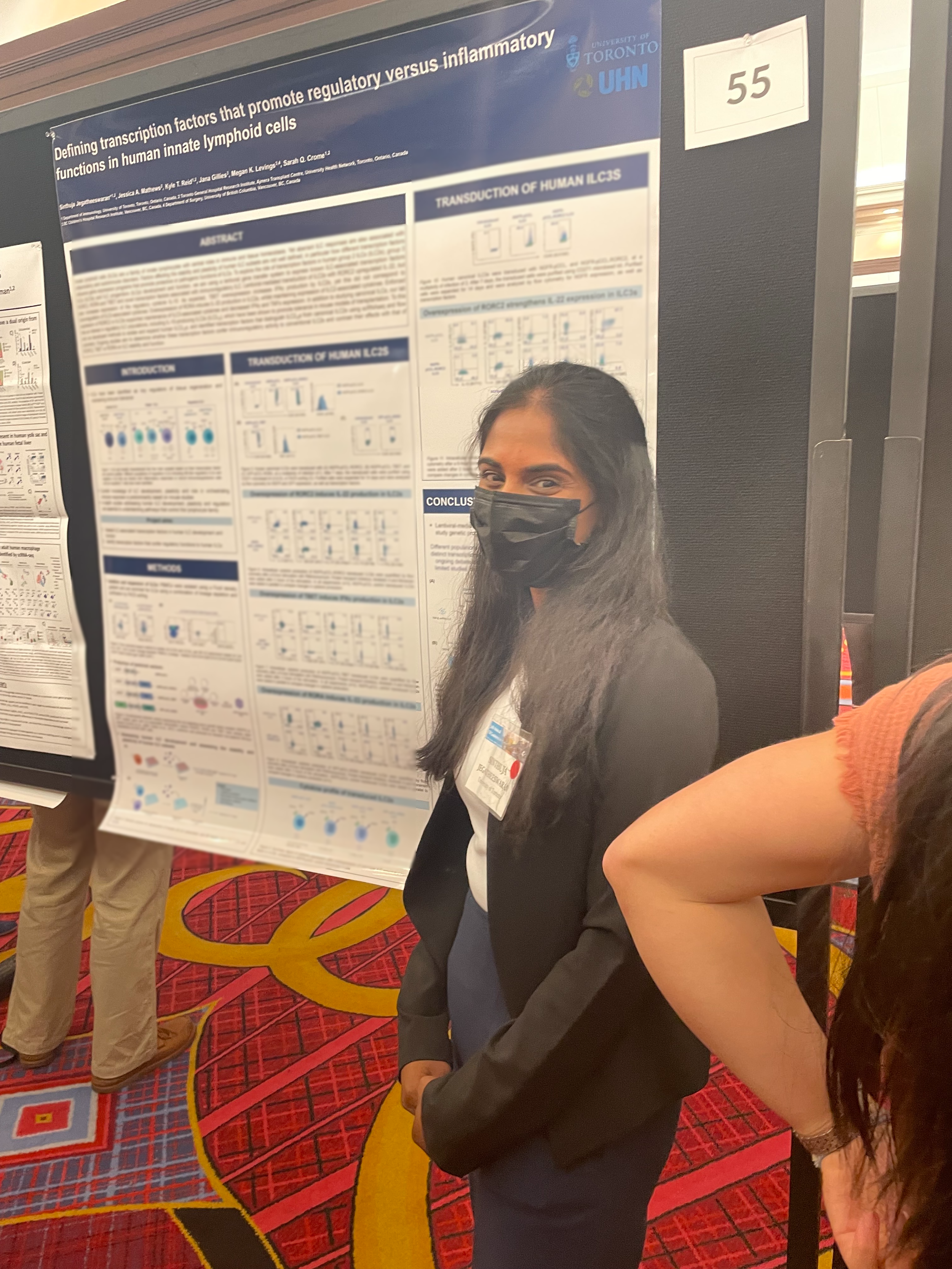
SINTHUJA JEGATHEESWARAN
Sinthuja is investigating the interaction between human innate lymphoid cells (ILCs) and regulatory T cells (Tregs), and its cell therapy potential in the context of type 1 diabetes (T1D) and islet transplantation. She is exploring the ability of ILCs, in combination with Tregs, to promote tolerance and function of transplanted beta-like cells. She will also harness lentiviral vector-based systems to investigate the role of ILC associated transcription factors on human ILC development and function, and explore the potential of different transcription factors to confer immunoregulatory function of ILCs.

Siavash Mashhouri
Siavash’s research delves into the role of innate lymphoid cells (ILCs) within transplant immunology, with a specific focus on hematopoietic stem cell transplantation (HSCT) and graft-versus-host disease (GVHD). Through the use of cutting-edge technological platforms, he is exploring the biology of human ILCs in xenogenic GVHD, with the central aim being to leverage the protective functions of ILCs to create novel cell-based therapies. By engineering immune cells, he strive to optimize current immunotherapies and advance treatment outcomes for transplant patients.
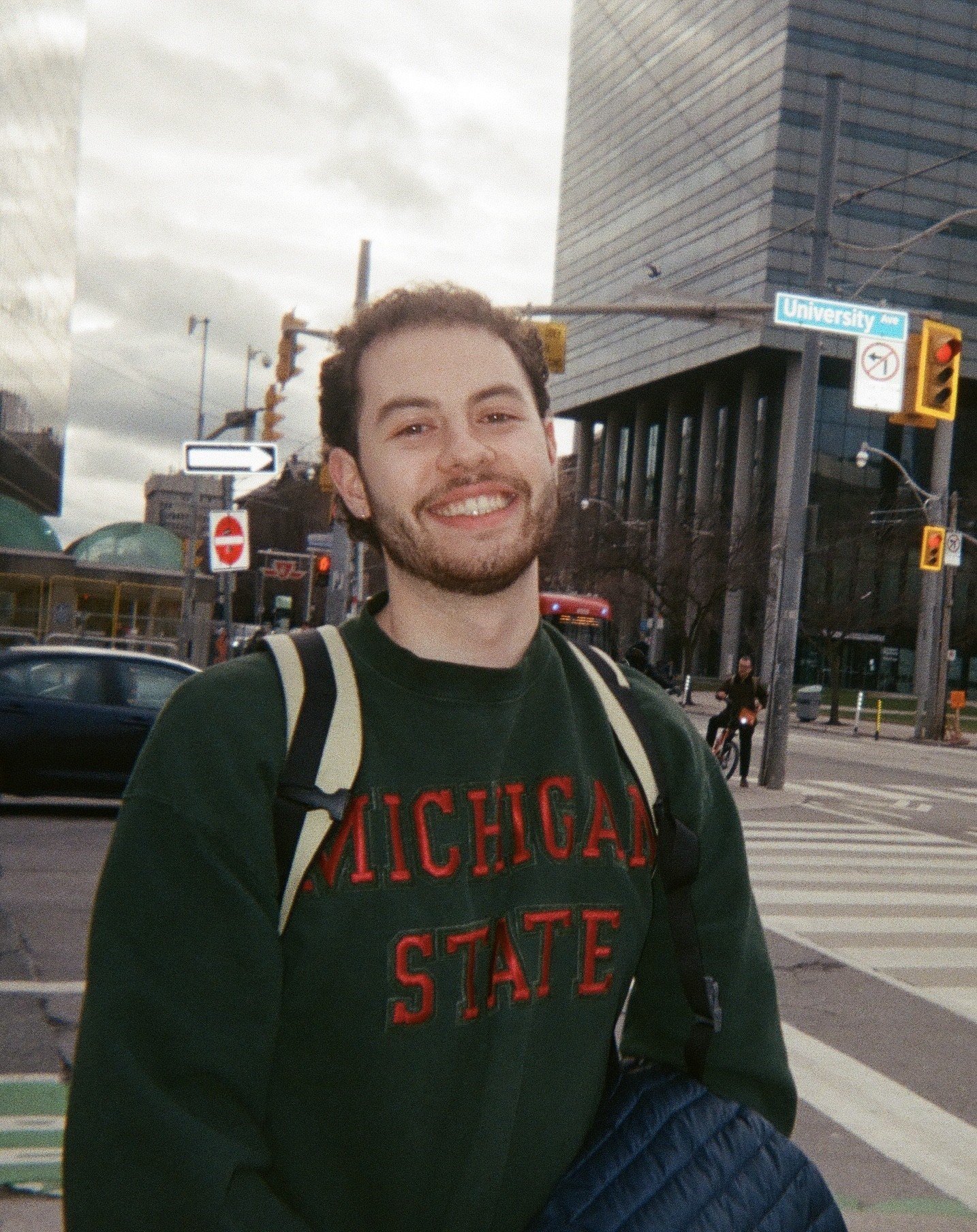
Sebastian Grocott
Sebastian is focused on understanding factors that regulate human adaptive Natural Killer (NK) cells, innate lymphocytes with anti-viral memory-like properties, in peripheral tissues following stem cell and solid organ transplantation. He employs single-cell RNA sequencing of transplant recipient tissues, in combination with in vitro 3D models of organ transplantation, to dissect local mechanisms tuning the functions of NK cells. He is interested in the development of targeted tissue-specific therapies for promoting tolerance in transplantation, and therefore limiting the risks of infection for systemically immunosuppressed transplant recipients
Lab Alumni:
Gaduate Students
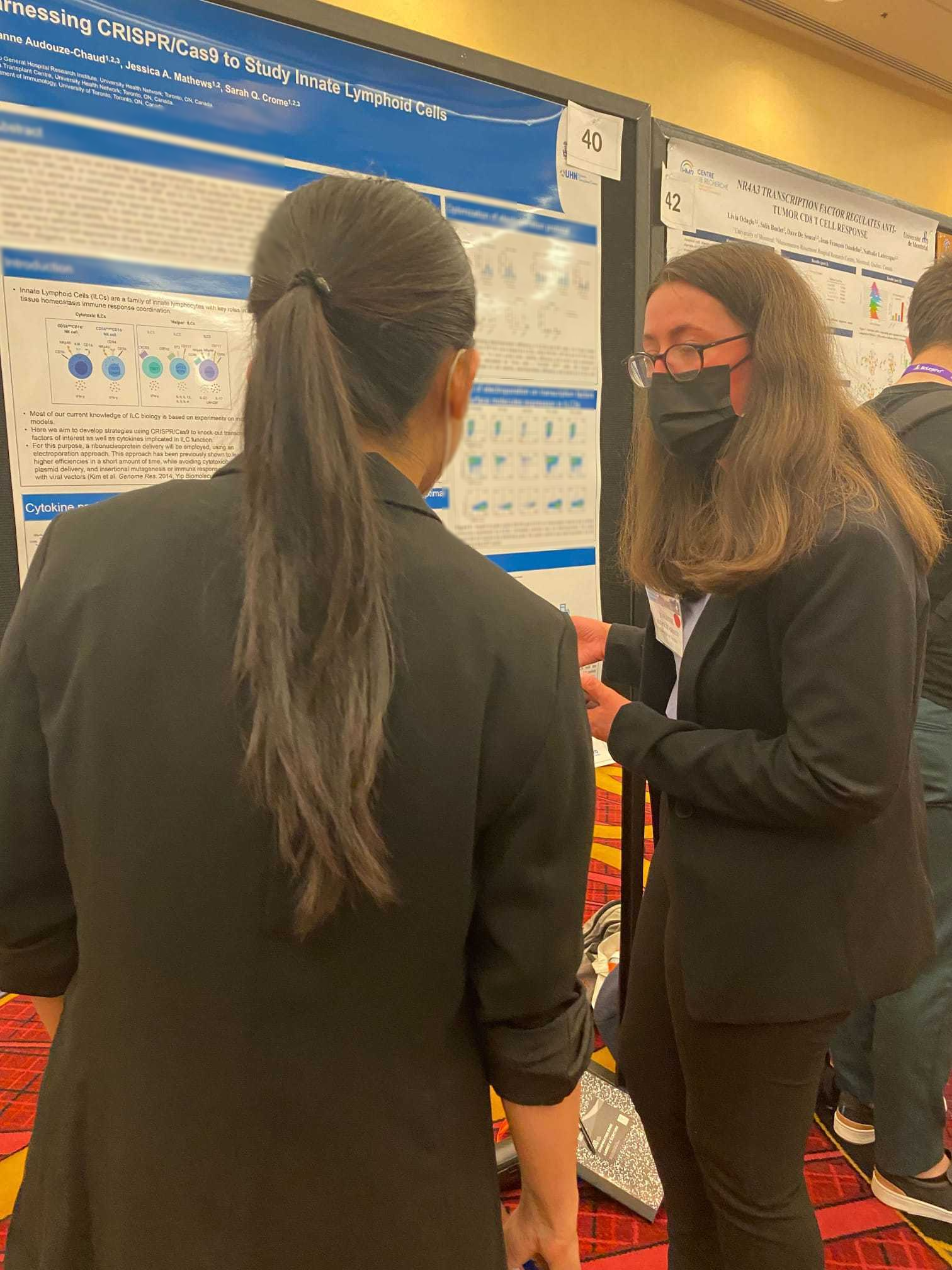
Johanne Audouze, MSc
James An, MSc
Dorota Borovsky, MSc
Sofija Bekarovska, MSc Sarah Colpitts, MSc (PhD Student) David Luong (MSc Student, co-supervised) Jessica Matthews (MSc Student) Julia Murphy (PhD Student)
Undergraduate Students
Jahin Kabir Ana Sofia Mendoza Viruega Caden Chiarello Wenhui Cui Michelle Nguyen Yubing Xia Chris Jordan
Lab Photos