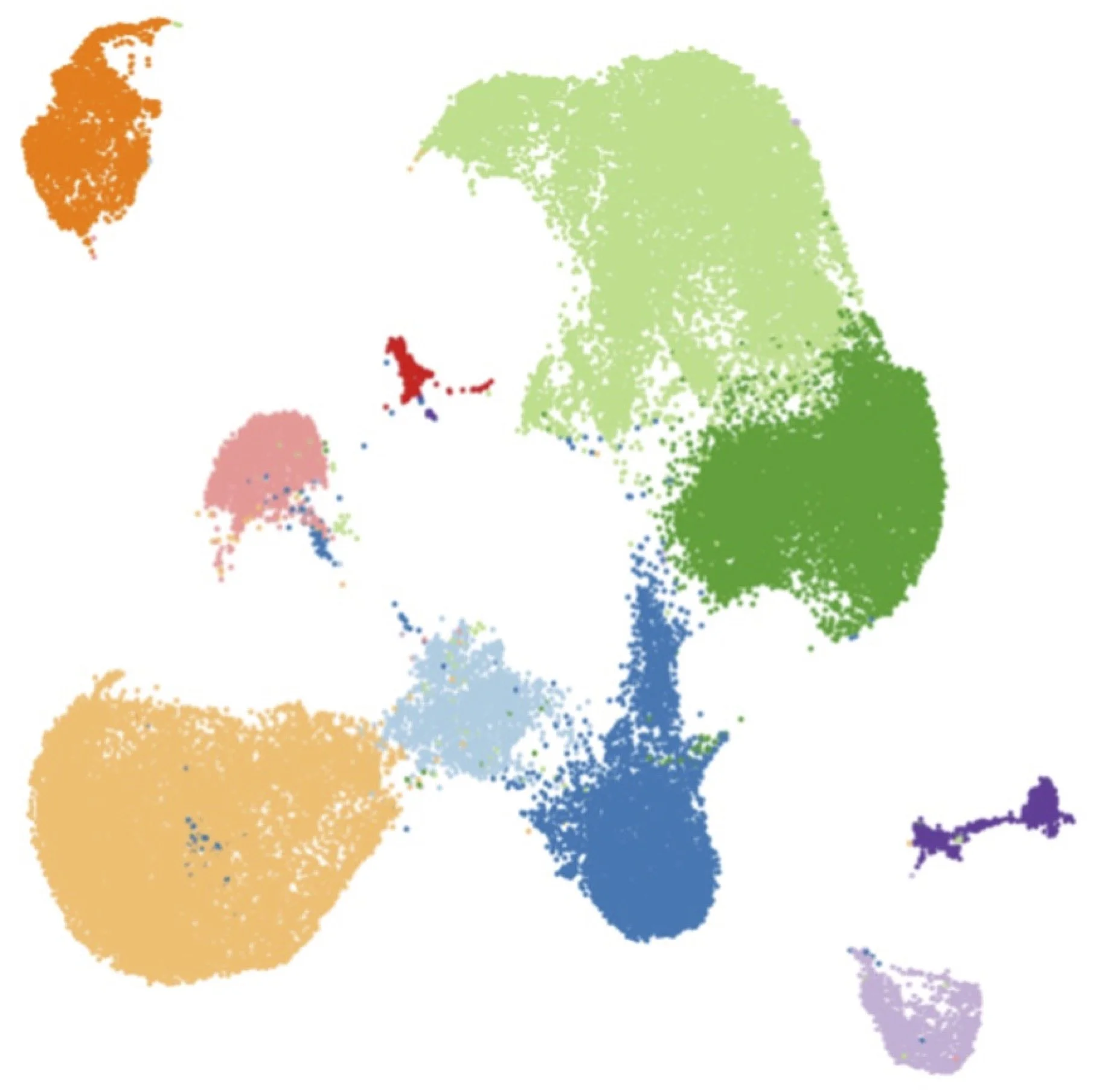
The Crome Lab studies how innate lymphoid cells (ILCs) and Natural Killer (NK) cells regulate human immune tolerance, inflammation, anti-tumour immunity, and tissue homeostasis. Our research integrates patient-based discovery with cutting-edge technologies, including single-cell and spatial genomics, functional immunology, and human tissue models, to define context-dependent immune states in health and disease. By mapping immune programs in human tissues and translating mechanistic insights into new therapies, we aim to improve outcomes in cancer, transplantation, and immune-mediated disease.
Our Vision
The immune system balances protection with tolerance: too little immunity can allow cancer or infection to thrive, while too much can drive autoimmunity or graft rejection. We aim to understand and manipulate this balance by studying how innate lymphocytes sense and respond to the local microenvironment, and in turn modulate adaptive immune responses
We focus on:
Innate Lymphoid Cells and Natural Killer Cells — defining how these cells acquire diverse functional states that influence disease outcomes, including protective and pathogenic NK cell and ILC populations in cancer, transplantation and autoimmunity
Human Tissue Immune Landscapes — building single-cell and spatial maps of tissue-resident immunity in healthy and disease states to identify predictive and actionable immune features.
Translational Therapeutics — developing immune-engineered and cell-based strategies, such as regulatory ILC2 platforms and targeted NK/ILC modulation, to enhance immune tolerance or anti-tumour responses.
Approach & Platforms
Our work bridges discovery and translation by combining:
Patient-based studies with clinical collaborators
Single-cell, multi-omic, and spatial profiling
Functional and mechanistic immunology
Human tissue and translational model systems
Immune engineering and cell-based therapy platforms
This integrated strategy enables us to uncover how immune programs are shaped by tissue context, disease state, and therapeutic perturbation , and to design strategies that harness or modulate these programs for clinical benefit.
Training & Opportunities
We offer a highly collaborative environment for trainees passionate about human immunology and translational research. Lab members gain hands-on experience with advanced genomic technologies, immunological profiling, and translational modelling, working at the interface of basic discovery and therapeutic innovation.